Blog
Why Position Matters So Much in 6-Max
Learn why in-position play is easier, why the button is powerful, and why blinds feel difficult in 6-max cash games.
Position is really an information advantage
Position matters because acting later lets you make more decisions with more information and fewer guesses.
Many beginners first hear that “the button is strong” or “position is important,” but those phrases can feel too abstract. Why is a seat so powerful? Why can the same hand feel playable on the button and awkward from the blinds?
The answer is not magic. It is information order. When you act later, you get to see what others do first. That changes:
- how clearly you can value bet,
- how often you can bluff efficiently,
- how precisely you can control pot size,
- and how often you are forced into thin, uncomfortable calls.
That is why position is not a bonus on top of poker strategy. It is part of the frame around almost every later decision.
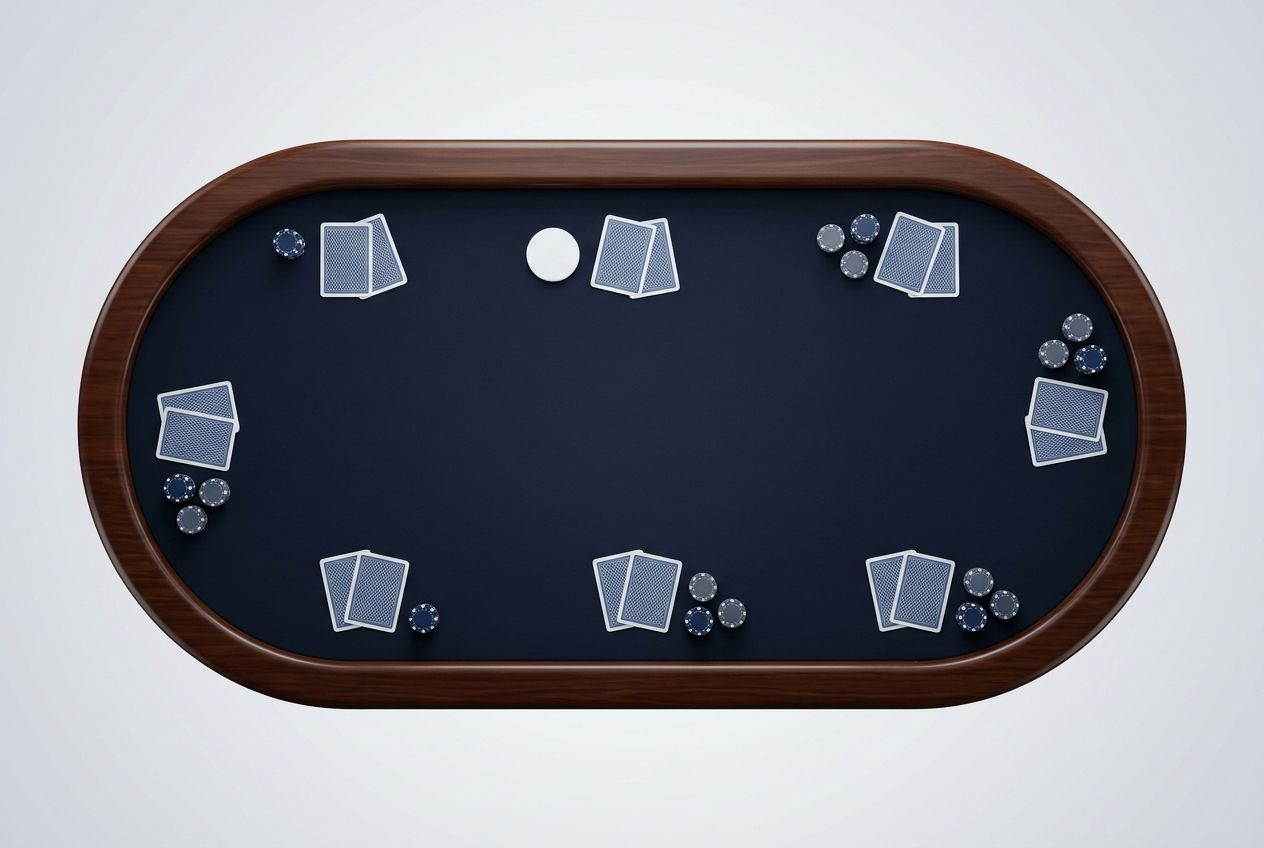
Why the button feels easier
The button is powerful because it often acts last after the flop, not because the seat itself is magical.
On most postflop streets, the button gets the last word. That single advantage creates several practical benefits:
- you get to see whether players checked,
- you can bet after learning more about their range strength,
- you can choose thinner value bets with more confidence,
- and you can decline marginal aggression when earlier action already signals strength.
In other words, late position lets you make decisions after some uncertainty has already been removed.
That matters because poker is full of borderline spots. A hand that looks easy in position becomes much harder when you must act first and wonder what everyone behind you will do.
Why blinds feel so uncomfortable
The blinds already pay chips before seeing how the hand develops, and they frequently act early after the flop. That creates two linked problems:
- you start with money already invested,
- and you often make more decisions without seeing what others do first.
That combination is why beginners often overdefend blinds emotionally. They see the chips already in the pot, feel attached to them, and continue too loosely. But position reminds us that a “cheap continue” before the flop can become an expensive guessing game later.
Position changes hand value
One of the most important beginner lessons is that a hand is not equally strong from every seat.
A hand that can open comfortably on the button may be too loose from early position. A hand that can call more cleanly in position may be a fold out of position. That does not mean the cards changed. It means the future decision tree changed.
This is the practical effect of position:
- strong hands become easier to extract value from,
- medium hands become easier to control,
- weak hands become easier to bluff with or release,
- and speculative hands become easier to realize equity with.
A simple preflop position map
| Seat type | Beginner instinct |
|---|---|
| Early position | Tighter range, less room for mistakes |
| Middle position | Slightly wider, but still disciplined |
| Button | Widest natural advantage |
| Small blind | Structurally awkward, avoid loose defense |
| Big blind | Gets price, but still often plays out of position |
This map is helpful because it stops you from judging a hand in isolation. The question is not “Is this hand pretty?” The question is “What happens to this hand from this seat?”
The simplest postflop question
If you want one repeatable position habit, ask:
Am I about to act with more information, or less?
That one question explains a surprising amount of strategy. It explains why c-betting in position is easier. It explains why bluff-catching out of position is harder. It explains why the button can pressure more broadly and why the blinds need more discipline.
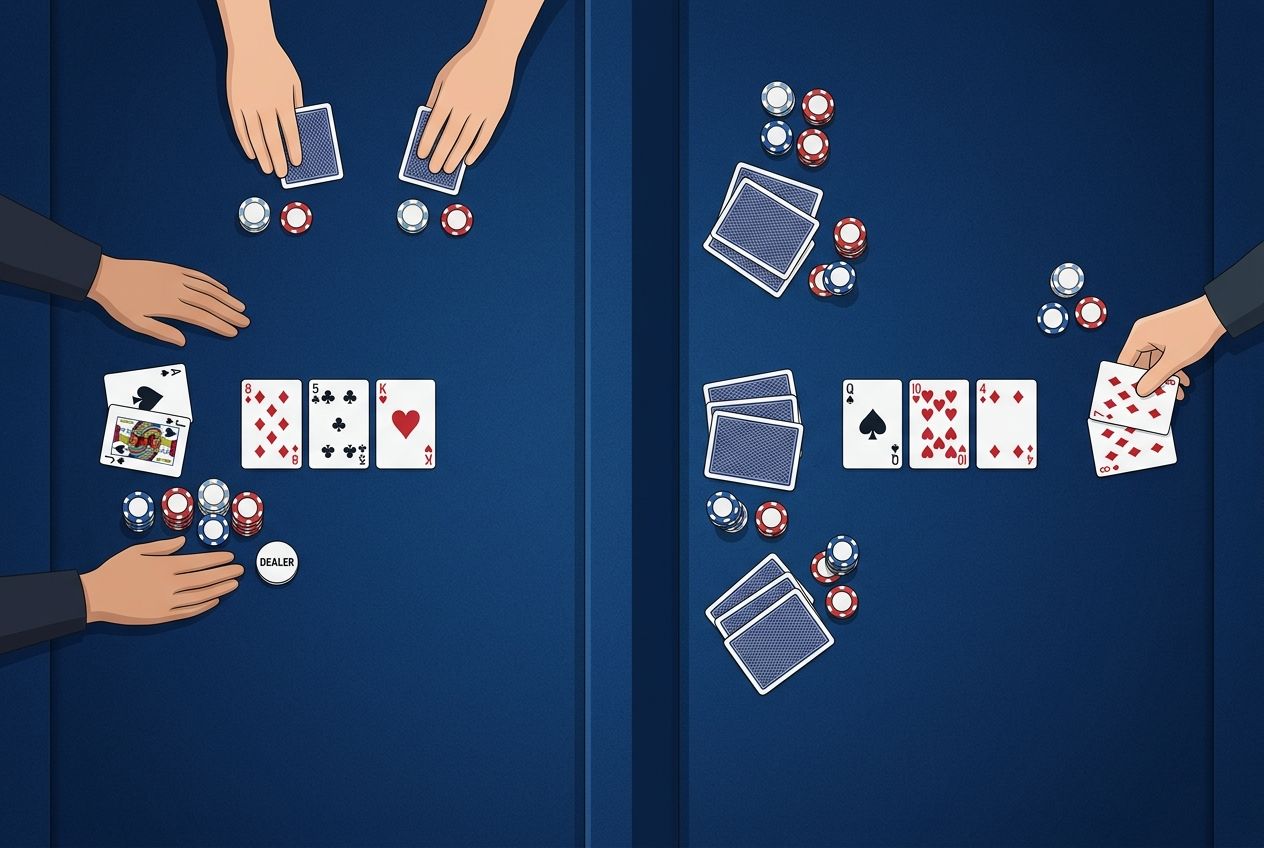
Beginner mistakes that position usually explains
Many “mystery mistakes” become less mysterious once you ask whether the hand was played in position or out of position.
Common leaks include:
- Opening too loosely from early seats
The hand looks playable in theory but becomes difficult under pressure.
- Overvaluing blind defense
Players focus on the price before the flop and ignore the poor information structure after the flop.
- Calling too much out of position
Medium-strength hands become fragile when they must keep acting first.
- Ignoring how much easier value betting is in position
Late position helps you bet thinner because more uncertainty is removed before you act.
Position should shape your thinking before the cards feel personal
Once position becomes a habit, a lot of strategy starts organizing itself. You begin to understand why seat names matter, why ranges widen and tighten naturally, and why some lines feel easier from one position than another.
Study
Train position-based thinking
Review the core 6-max seats and practice how action order changes both preflop and postflop.
Build the seat-first habit before strategy gets deeper
If you can identify the seat, predict the action order, and feel who owns the information advantage, many later strategy ideas become easier immediately.
Position is one of the earliest concepts worth taking seriously because it keeps paying you later. Range construction, c-bet logic, bluff frequency, and showdown discipline all make more sense once you stop thinking only about cards and start thinking about where those cards are being played from.
Study
Related Study lessons
Related articles
Continue with another angle on the same decision.
Which Starting Hands Are Actually Worth Playing?
Strong starting hands are not just pretty cards. They are hands that avoid domination, benefit from position, and still make sense after calls or 3-bets.
How to Read Poker Cards and Hand Notation
From ranks and suits to suited, offsuit, pocket pairs, and `AKs` style notation, this guide helps beginners read poker shorthand without hesitation.
Check, Call, Bet, and Raise Explained Simply
Poker actions become much easier when you separate actions that start pressure from actions that answer pressure.